Tejas Singh
President | UON AI & Robotics Society
Who are you and what do you do?
I’m Tejas, a 2nd year Electronics and Computer Engineering student at the University of Northampton with a strong focus on applied technology, robotics, and student-led innovation. I’m the President of the UON AI & Robotics Society, where I lead technical projects, workshops, and competition teams aimed at giving students hands-on experience beyond the curriculum.
Alongside my studies, I work on university research and technical projects involving immersive technologies, digital media, and emerging engineering tools. I’ve also been involved in student engagement, outreach, and community-focused initiatives, which has helped me develop strong leadership, communication, and project management skills alongside my technical background.
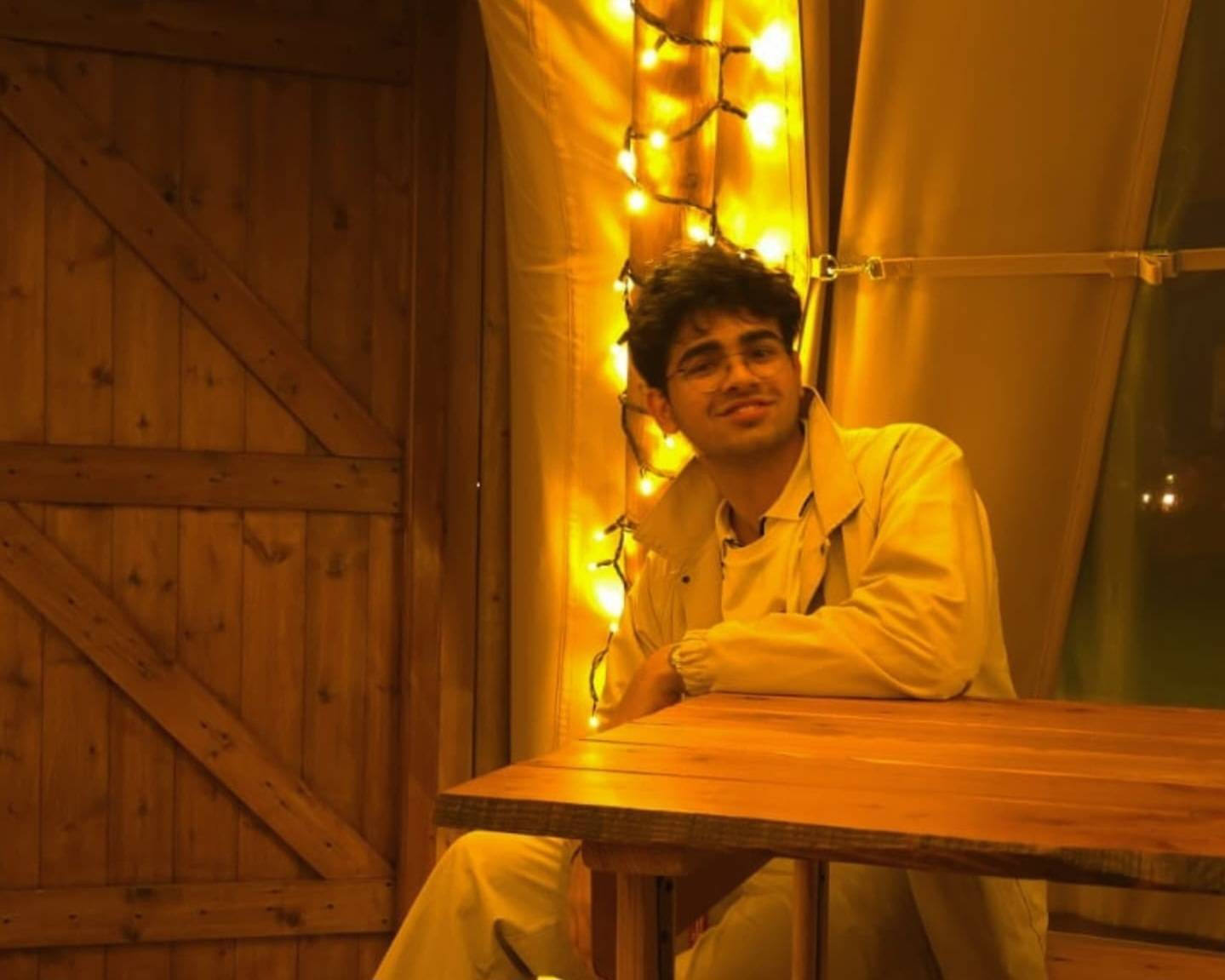
I enjoy working at the intersection of engineering, problem-solving, and community building, especially where students get to build, test, and learn together.
What first got you into tech?
My interest in technology started with curiosity. I was always drawn to computers and electronics, spending time experimenting, exploring settings, and trying to understand how things worked rather than just using them.
That curiosity gradually turned into wanting to build things myself. Electronics and programming stood out because they combined logical thinking with creativity and real-world applications. Studying Electronics and Computer Engineering felt like the right path, as it allowed me to work across hardware, software, and data instead of being confined to one area.
Over time, this interest naturally expanded into AI, robotics, and control systems fields where theory directly translates into tangible results.
What does your typical working day look like?
A typical day usually starts with university lectures or labs. After classes, I spend most of my time working on projects—this could be coursework, society-related development, or technical and research work connected to the university.
Once the academic and project work is done, I usually wind down in the evening by gaming. It’s how I switch off mentally and reset before the next day, especially after long sessions of coding, building, or problem-solving.
What’s your setup? Software and hardware. Pictures welcomed!
Hardware
- Laptop: Lenovo Yoga 9 14IAP7
- Monitor: MSI MAG 255F E20
Software
- Programming: Python, C, SQL
- Data & AI: Pandas, basic machine learning workflows
- Development & analysis via Jupyter Notebooks and IDEs
- Media and technical tools for filming, editing, and immersive content
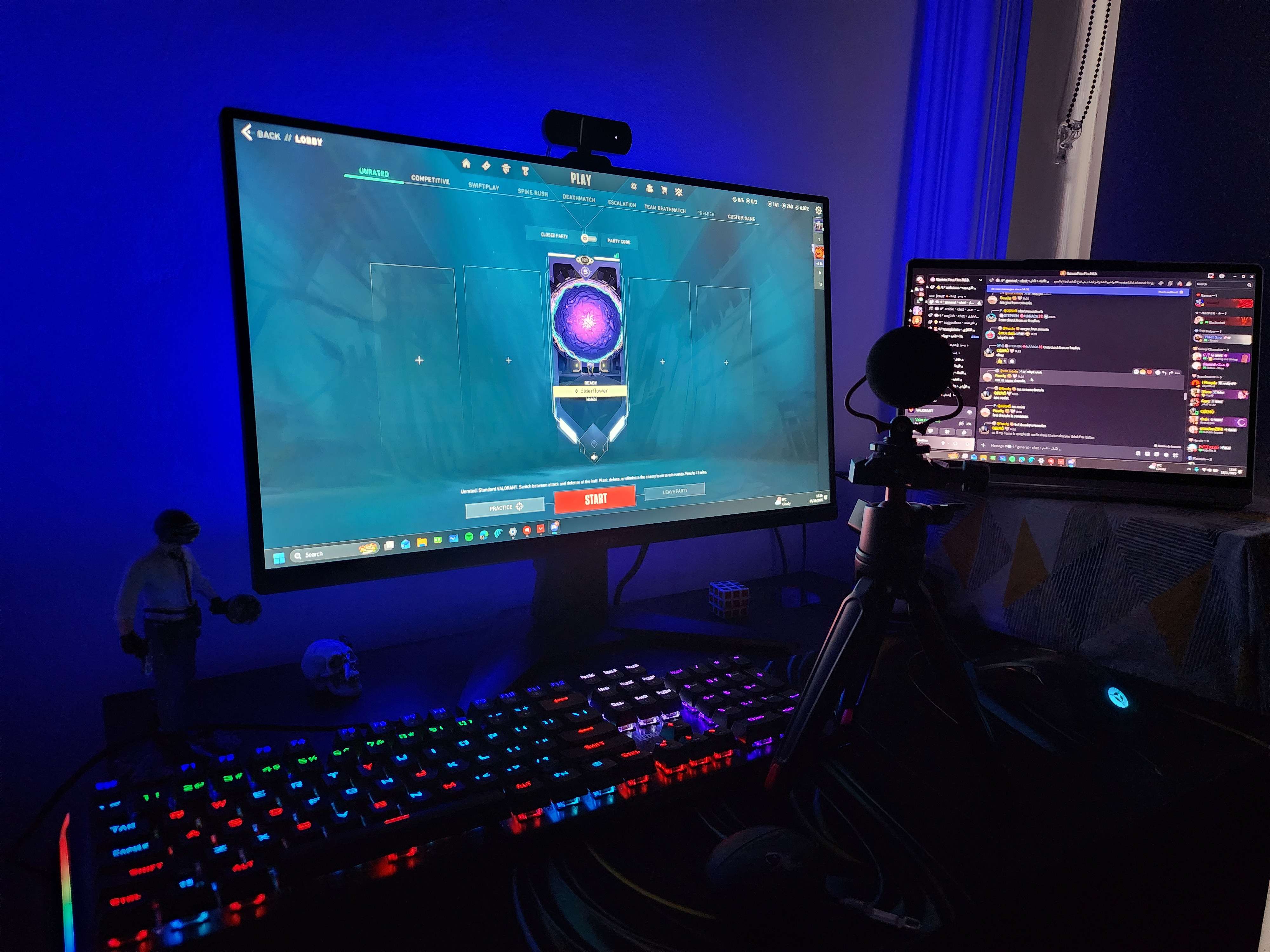
I keep my setup practical and flexible so I can work both on campus and at home without being tied to one location.
What’s the last piece of work you feel proud of?
One of my most recent and meaningful achievements was leading the UON AI & Robotics Society team at the IEEE City, London Robotics Competition, where universities such as King’s College London, University College London, and other top institutions were competing.
Although we didn’t win the overall competition, our team was awarded Best Design, which was a huge moment for the society. It validated our engineering approach, creativity, and teamwork, especially as a society competing against well-established universities. The team was genuinely proud of the result, and it reinforced the value of focusing on solid design principles, iteration, and collaboration.
Beyond competitions, I’m also proud of the work I do supporting immersive technology and research projects at the university, where engineering skills directly contribute to education, outreach, and impact.
What’s one thing about your profession you wish more people knew?
Engineering isn’t just about technical knowledge, it’s about persistence, iteration, and teamwork. A lot of learning happens through failure: debugging systems that don’t work, redesigning hardware, or rewriting code until it finally clicks.
People also often underestimate how important communication and leadership are in technical roles. Being able to explain ideas, coordinate teams, and manage projects is just as important as writing good code or building reliable systems.
Share with others something worth checking out. Not necessarily tech related. Shameless plugs welcomed.
If you’re a student interested in AI, robotics, or engineering in general, getting involved in hands-on projects and student societies is one of the best ways to grow quickly. Competitions, side projects, and collaborative builds teach skills that lectures alone can’t.
Table of content
- Who are you and what do you do?
- What first got you into tech?
- What does your typical working day look like?
- What’s your setup? Software and hardware. Pictures welcomed!
- What’s the last piece of work you feel proud of?
- What’s one thing about your profession you wish more people knew?
- Share with others something worth checking out. Not necessarily tech related. Shameless plugs welcomed.
Published: 1/23/2026